14-Day Returns* · 2-Year Warranty · Worldwide Shipping, US included

14-Day Returns* · 2-Year Warranty · Worldwide Shipping, US included
14-Day Returns* · 2-Year Warranty
Worldwide Shipping, US included
14-Day Returns*
2-Year Warranty
Worldwide Shipping, US Included
New
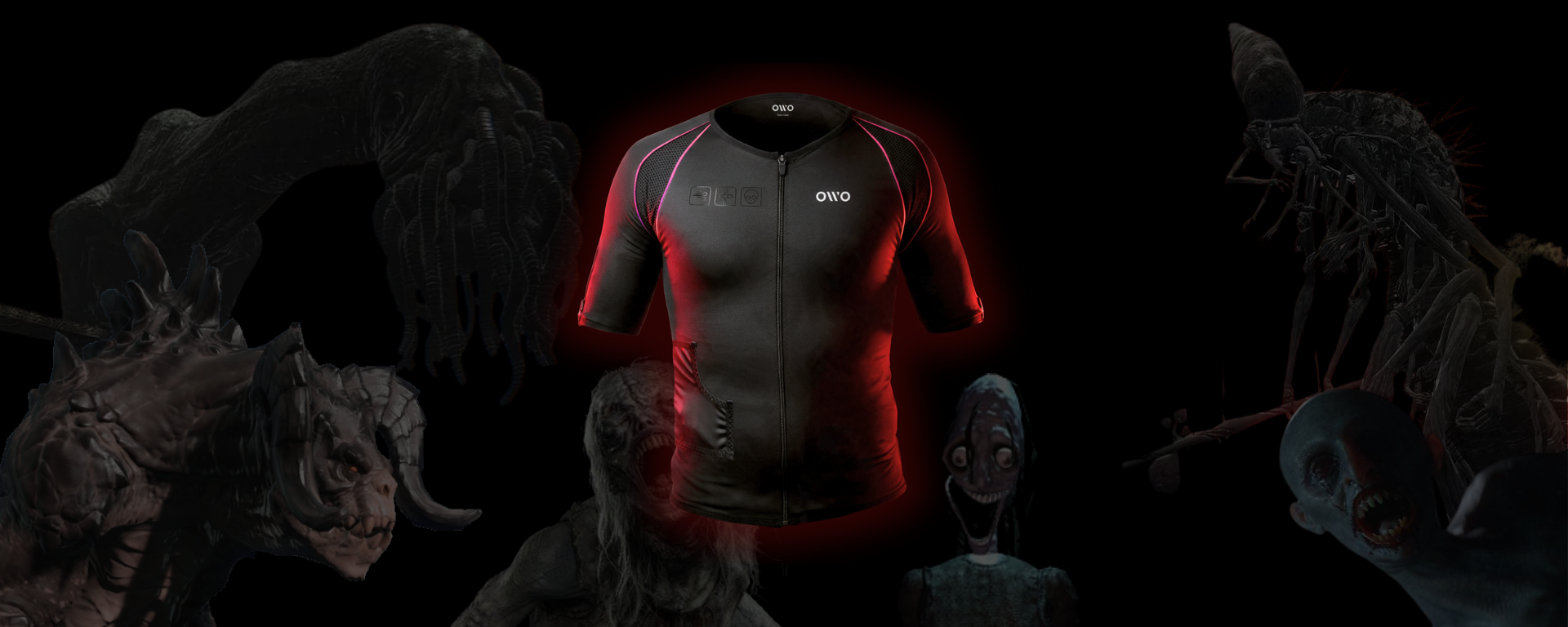
Haptic gaming makes horror games more immersive by adding physical feedback.
by
OWO
-
October 15, 2026
Reading Time:
6 min read
Haptic gaming can transform the way horror games feel by adding physical feedback to experiences that traditionally rely on sight and sound. Horror already uses atmosphere, uncertainty, audio and anticipation to make players react. Haptics introduce another layer by allowing selected moments in the game to become physical.
Think about what makes a good horror game unsettling. It is rarely just the monster standing in front of you. It is the sound behind a door, the heartbeat that signals something is wrong, the uncertainty of what is around the next corner and the sudden interruption of silence when danger finally appears.
The screen shows that world. Headphones allow you to hear it around you. With haptic gaming, some of those events can also become physical.
That combination makes horror one of the most interesting genres for exploring how physical feedback can make a virtual experience feel more immediate.
Horror does not need to constantly attack the player to be effective. Some of its strongest moments happen before anything actually happens.
Anticipation is what makes a dark corridor uncomfortable. It is what makes silence suspicious. You know something could happen, but you do not know exactly when.
Haptics can reinforce that uncertainty. A heartbeat, for example, is not simply another visual warning. When represented physically, it becomes another part of the player’s experience and can make an already tense situation feel more immediate.
A good jumpscare relies on contrast. The game creates a moment of relative calm and then suddenly breaks it with an unexpected visual, sound or event.
Haptic feedback can introduce a physical response at exactly the same moment.
Instead of your reaction being triggered only by what appears on the display or what you hear through your headphones, the surprise can also have a physical component.
This is one reason why haptic gaming and horror work so naturally together. Timing is critical, and a physical sensation can become much more noticeable when it arrives precisely when the game breaks the tension.
In horror games, failure is part of the tension. Taking damage, reaching a critical state or dying is usually communicated through animations, sound and visual effects.
Haptic feedback can add a physical response to those moments. Instead of simply watching your character suffer the consequences of danger, selected events can be reinforced through sensations that make the outcome feel more immediate.
This is especially effective in horror because the fear of what might happen is closely tied to the consequences when it finally does.
One of the most interesting possibilities of haptics is that physical feedback does not have to represent every event in exactly the same way.
A heartbeat should communicate something different from weapon recoil. An environmental effect should not necessarily feel like taking damage. A sudden interaction can have a different pattern from a longer state such as low health.
This variety matters especially in horror games because fear itself is not one-dimensional. Horror moves between anticipation, vulnerability, surprise, action and relief. Physical feedback can follow those changes rather than simply adding the same response to every event.
Haptic technology is designed around communicating information through the sense of touch. In gaming, that creates opportunities to connect virtual events with physical feedback.
This does not replace visuals, sound or good game design. Instead, haptic gaming works alongside them. The screen can show the threat, audio can tell you where it is and haptics can provide another physical cue when the game calls for it.
You can learn more about the wider principles behind
haptic technology and tactile feedback
.
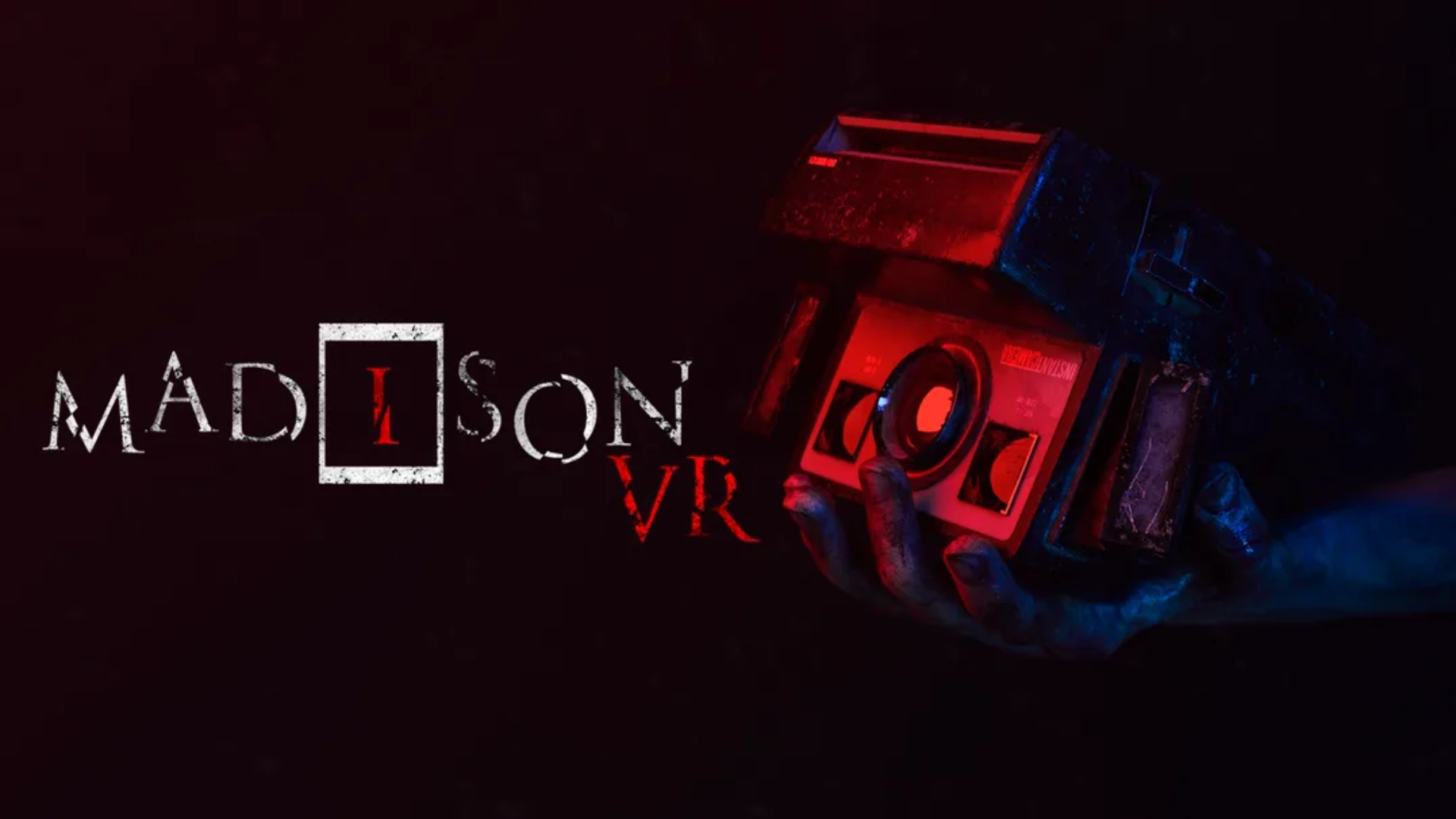
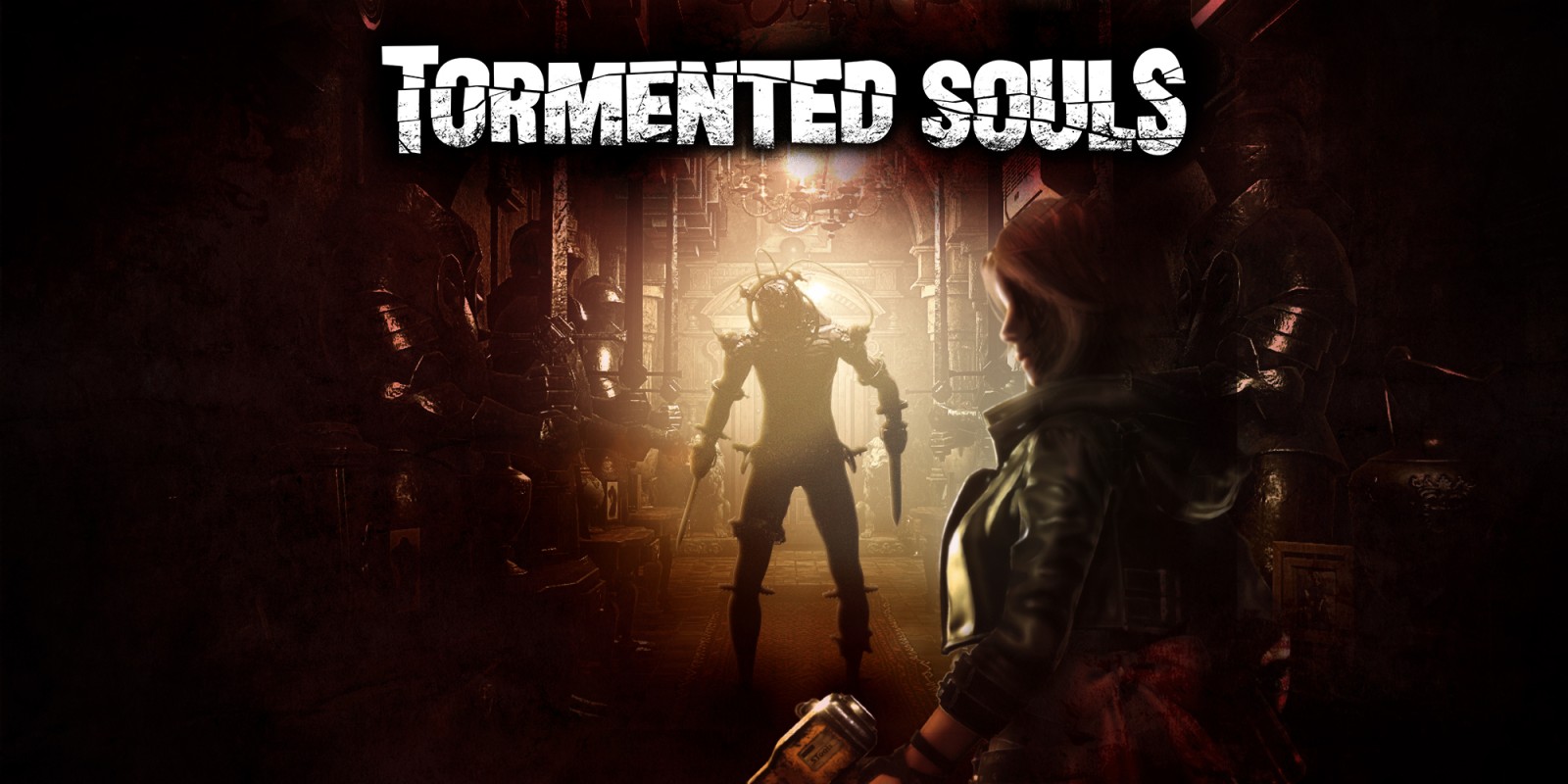
Different horror games use physical feedback in different ways. These examples show how haptics can reinforce psychological tension, survival horror and action-focused encounters.

Great horror games already know how to control attention. They manipulate what you see, what you hear and what you expect to happen next.
Haptics introduce another possibility: making selected moments physical.
That does not mean adding constant feedback. In fact, the opposite can be more effective. When physical sensations are connected to meaningful events, they can reinforce tension, danger, vulnerability or surprise.
That is why haptic gaming has so much potential in horror. The genre wants you to react to a virtual threat. Haptics give that threat one more way to reach you.

We accept
Secure Checkout
Shopping is always safe and secure
Easy returns
you can request a return within 14 days of delivery
Need more help? Email us or call (+34) 672712281
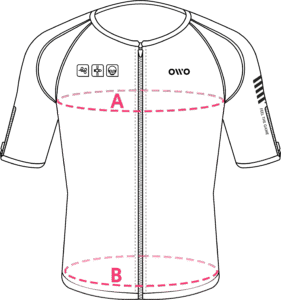
Measure your chest (A) and hips (B) following our indications.
The reference measurement will always be the larger of the two (A or B).
Look in the chart to which size corresponds to that measurement.
| Size | Reference measurements | |
|---|---|---|
| Inches | Centimeters | |
| 2XS | 25.6 – 29.4 | 65 – 74 |
| XS | 29.5 – 32.6 | 75 – 82 |
| S | 32.7 – 36.1 | 83 – 91 |
| M | 36.2 – 39.7 | 92 – 100 |
| L | 39.8 – 42.8 | 101 – 108 |
| XL | 42.9 – 46.3 | 109 – 117 |
| 2XL | 46.4 – 49.9 | 118 – 126 |
| 3XL | 50 – 53 | 127 – 134 |
| 4XL | 53.1 – 55.9 | 135 – 142 |


